If you are planning a trip to South Georgia, the Okefenokee Swamp should be at the top of your list. Wild, ancient, and surprisingly peaceful, this ecosystem is unlike anywhere else in the United States. Whether you are coming for wildlife, photography, paddling, or quiet time under the stars, your experience will be shaped by one key decision: where you stay.
This guide covers everything you need to know before you go, including the swamp’s history, wildlife, the best time to visit Okefenokee, and why staying close at Okefenokee Pastimes and Cabin Campground makes all the difference.
The Okefenokee Swamp is one of the largest intact freshwater ecosystems in North America. Spanning more than 400,000 acres, it is primarily protected within the Okefenokee National Wildlife Refuge.
The name “Okefenokee” comes from a Native American word often translated as “land of the trembling earth.” Early inhabitants noticed the floating peat and vegetation that shift underfoot. The swamp formed thousands of years ago in a shallow basin, slowly filling with peat, cypress forests, and blackwater channels.
In 1937, the area was designated as a national wildlife refuge to preserve its biodiversity. Today, the refuge protects hundreds of species of birds, reptiles, amphibians, and mammals. It is also a designated National Natural Landmark and a source of pride for South Georgia.
Before you visit, check the official Okefenokee National Wildlife Refuge website and social media pages for updates on water levels, events, and seasonal wildlife activity.
The Okefenokee Swamp is known for its wildlife. This is not a zoo setting. These animals are in their natural habitat.
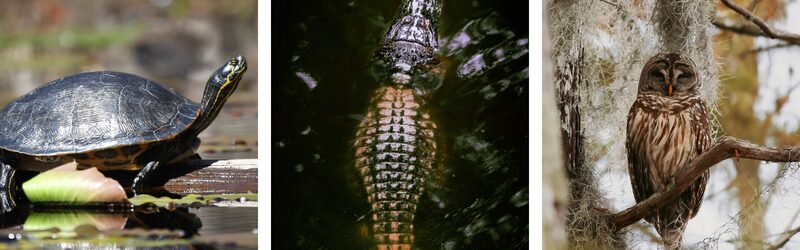
Here are some of the species you are likely to encounter:
American Alligators
The swamp is home to thousands of gators. You may see them sunning on the banks or gliding silently through blackwater trails.
Wading Birds
Great blue herons, egrets, ibis, and wood storks are common. During certain seasons, bird activity increases dramatically.
Black Bears
While sightings are less common, black bears do inhabit the refuge. Early mornings and late evenings offer your best chance.
Sandhill Cranes and Songbirds
Birdwatchers consider the Okefenokee a bucket list destination. Migration seasons bring even more variety.
Otters, Turtles, and Frogs
If you move slowly and pay attention, you will notice life everywhere.
This is why Okefenokee Swamp camping is so popular. Waking up close to this environment changes how you experience it. You hear the sounds before you see the animals.
Many visitors ask about the best time to visit Okefenokee. The answer depends on what you want.
Spring, March through May
Mild temperatures, active wildlife, and blooming plants make spring one of the most popular seasons. Alligators are more visible, and birds are nesting.
Summer, June through August
Expect heat and humidity. Wildlife is still active, but mid day can be intense. Early morning and sunset tours are best.
Fall, September through November
Fewer crowds and comfortable temperatures. This is an excellent time for photography and hiking.
Winter, December through February
Cooler temperatures and clearer air. Wildlife may be less active, but visibility is often better. You will also find quieter trails.
Water levels can shift access to certain trails and boat routes, so always confirm conditions on the refuge website before arriving.
No matter the season, staying nearby allows you to adjust your schedule. Early sunrise tours and late evening wildlife viewing are easier when you are not driving long distances.
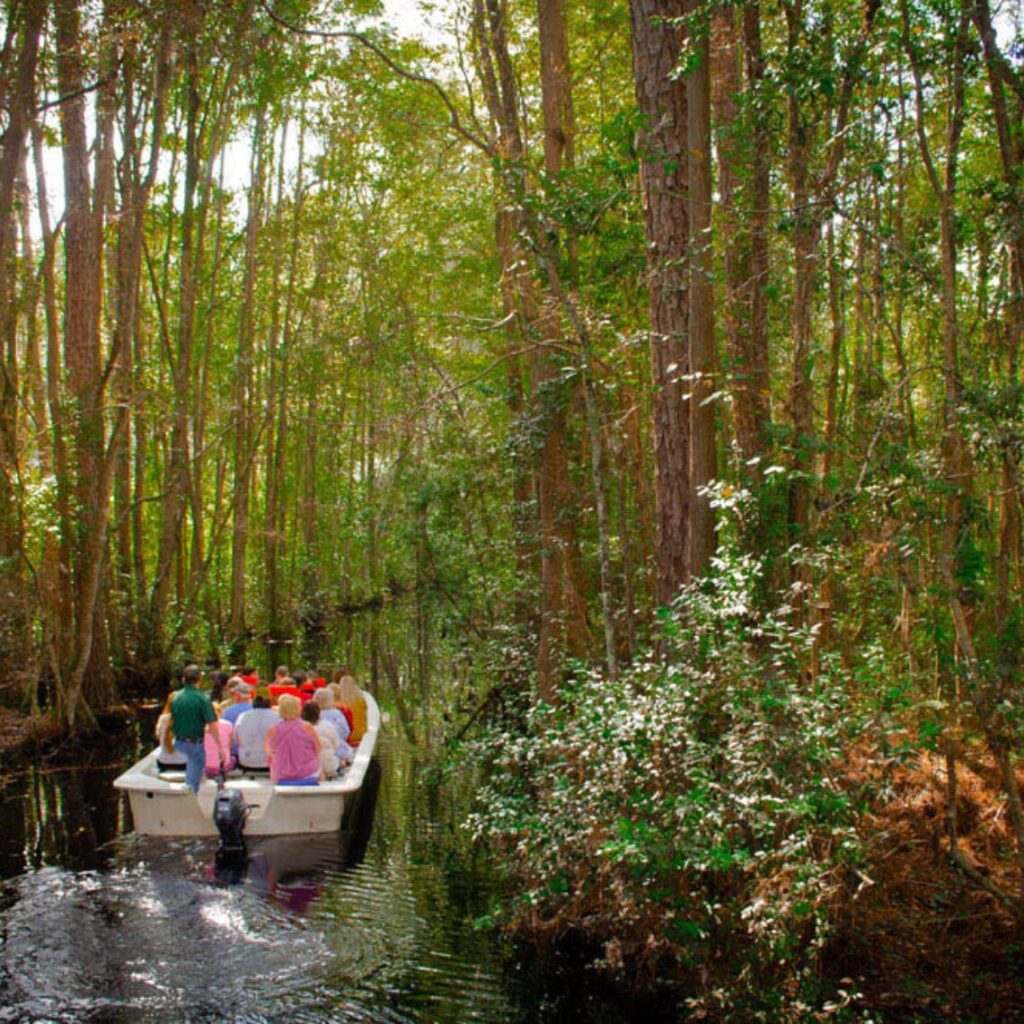
One of the most common questions is whether to explore by boat or by foot. The right answer is both.
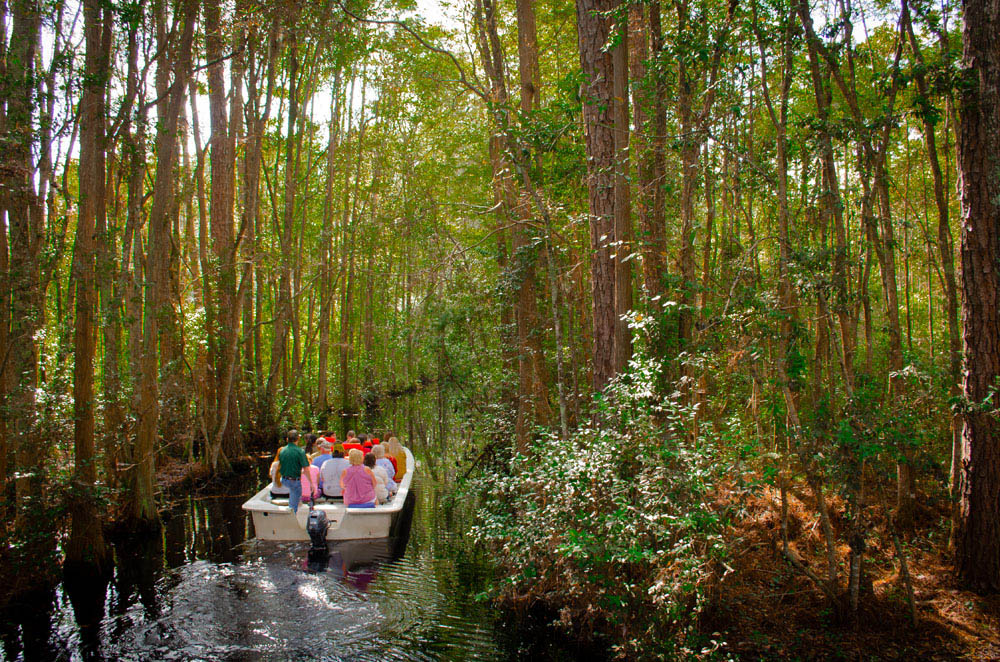
Guided boat tours provide access to deeper parts of the swamp. You cover more ground and learn from experienced guides who understand animal behavior and swamp history.
Boat tours are ideal if:
You can also rent canoes or kayaks if you prefer a slower pace.
The refuge offers boardwalks and hiking trails that bring you into cypress forests and open prairies.
Hiking is ideal if:
Combining both options gives you the most complete experience.
Many visitors underestimate this part. The swamp is not a quick roadside stop. It is a living environment that shifts throughout the day.
Sunrise and sunset are when wildlife moves. Fog rises over blackwater. Birds become vocal. Alligators shift position.
If you stay 45 minutes away, you miss that.
Staying close at Okefenokee Pastimes and Cabin Campground transforms your visit. Instead of rushing, you settle in.
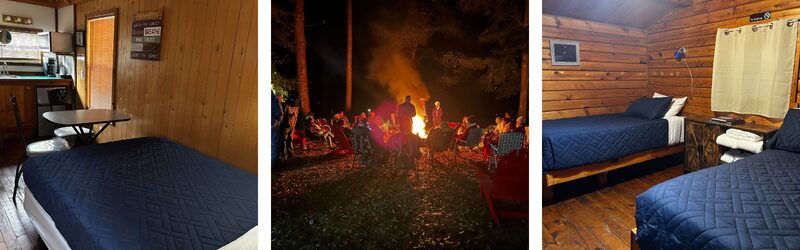
At Okefenokee Pastimes and Cabin Campground, you can choose from RV sites, cabins, or unique glamping options. After a day exploring the refuge, you return to comfort instead of a long drive.
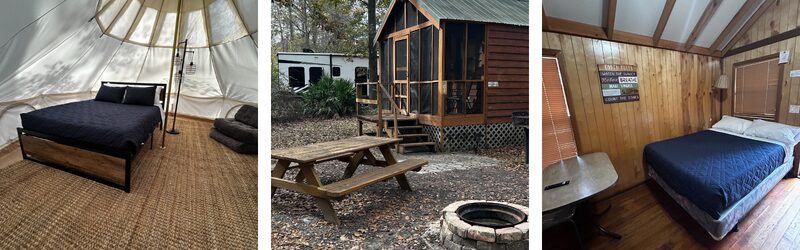
This is especially important for:
When people search for where to stay near Okefenokee, proximity matters. Being minutes from the refuge entrance means more time in nature and less time in traffic.
Okefenokee Swamp camping at okefenokee pastimes gives you flexibility. Sleep in and head out mid morning. Or wake before dawn and be on the water when the mist lifts.
That is the difference between visiting the swamp and experiencing it.
Before heading out:
The Okefenokee Swamp is one of the most unique ecosystems in North America. It rewards those who slow down.
If you are planning your trip and wondering where to stay near Okefenokee, the answer is simple.
Stay close at Okefenokee Pastimes.
Experience the swamp at sunrise. Hear it at night. Come back year after year and see how it changes.
Your adventure starts with where you sleep.