If you are planning a trip to South Georgia, the Okefenokee Swamp should be at the top of your list. Wild, ancient, and surprisingly peaceful, this ecosystem is unlike anywhere else in the United States. Covering more than 400,000 acres across southern Georgia and northern Florida, it is one of the largest intact freshwater ecosystems in North America. Whether you are coming for wildlife, photography, paddling, hiking, or quiet time under the stars, your experience will be shaped by one key decision: where you stay.
This guide covers everything you need to know before you go, including the swamp’s history, wildlife, the best time to visit, how to explore by boat and by trail, what to pack, and why staying close at Okefenokee Pastimes Cabins & Campground makes all the difference.
A Brief History of the Okefenokee Swamp
The name “Okefenokee” comes from a Native American word often translated as “land of the trembling earth,” a reference to the floating peat beds and vegetation that shift underfoot. The swamp formed thousands of years ago in a shallow basin, slowly filling with peat, cypress forests, and blackwater channels.
In 1937, the area was designated as a national wildlife refuge to preserve its biodiversity, and it is now primarily protected within the Okefenokee National Wildlife Refuge. Today, the refuge protects hundreds of species of birds, reptiles, amphibians, mammals, fish, and plants. It is also a designated National Natural Landmark and a source of pride for South Georgia.
Native American communities, early settlers, and generations of conservation work have all shaped the swamp we see today. Visitors interested in learning more can explore educational exhibits, visitor centers, and interpretive programs offered throughout the region, understanding the swamp’s history adds real depth to the experience.
Before you visit, check the official Okefenokee National Wildlife Refuge website and social media for updates on water levels, events, and seasonal wildlife activity.
Wildlife You Will See
The Okefenokee Swamp is famous for its wildlife, and this is not a zoo setting these animals are in their natural habitat, and while sightings are never guaranteed, most visitors are surprised by how much they see in a single trip.
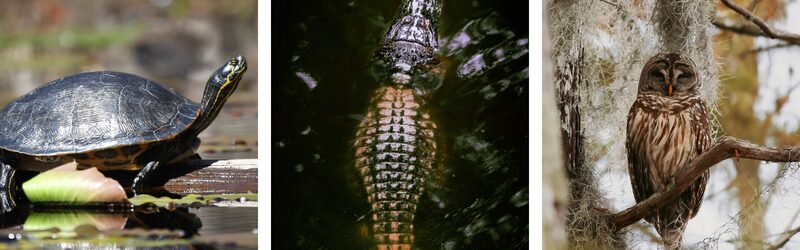
American Alligators. The swamp is home to thousands of gators. You may see them sunning on the banks or gliding silently through blackwater trails.
Wading Birds. Great blue herons, egrets, ibis, and wood storks are common, and during certain seasons bird activity increases dramatically. Birdwatchers often travel from around the country to observe species that thrive in the swamp’s diverse habitats.
Black Bears. Sightings are less common, but black bears do inhabit the refuge. Early mornings and late evenings offer your best chance.
Sandhill Cranes and Songbirds. Migration seasons bring even more variety, and birdwatchers consider the Okefenokee a bucket-list destination.
Otters, Turtles, and Frogs. If you move slowly and pay attention, you will notice life everywhere.
This is why Okefenokee Swamp camping is so popular waking up close to this environment changes how you experience it. You hear the sounds before you see the animals. Respecting wildlife and keeping a safe viewing distance helps preserve this special ecosystem for future generations.
Best Time of Year to Visit
The swamp can be enjoyed year-round, but the right season depends on what you’re looking for.
Spring (March–May). Mild temperatures, active wildlife, and blooming plants make spring one of the most popular seasons. Alligators are more visible and birds are nesting.
Summer (June–August). Expect heat, humidity, and lush vegetation. Wildlife is still active, but midday can be intense, so early morning and sunset tours are best.
Fall (September–November). Fewer crowds and comfortable temperatures make this an excellent time for photography and hiking.
Winter (December–February). Cooler temperatures and clearer air can mean less wildlife activity but better visibility and you’ll find quieter trails.
Water levels can shift access to certain trails and boat routes, so always confirm conditions on the refuge website before arriving, and dress appropriately for outdoor activity no matter the season.
No matter when you visit, staying nearby lets you adjust your schedule around the swamp rather than the clock early sunrise tours and late evening wildlife viewing are much easier when you aren’t driving long distances to get back to them.
Boat Tours vs. Hiking Trails
One of the most common questions first-time visitors ask is whether to explore by boat or by foot. The honest answer is both.
On the Water
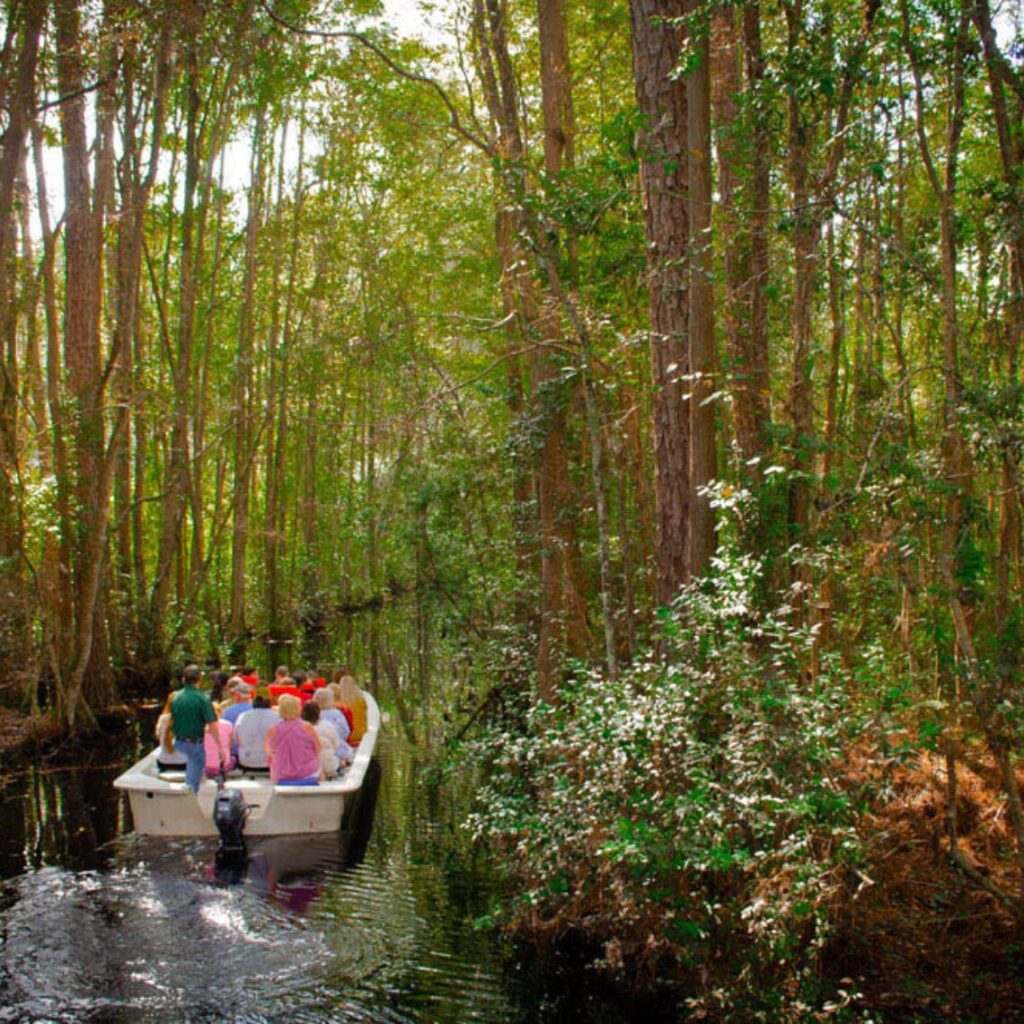
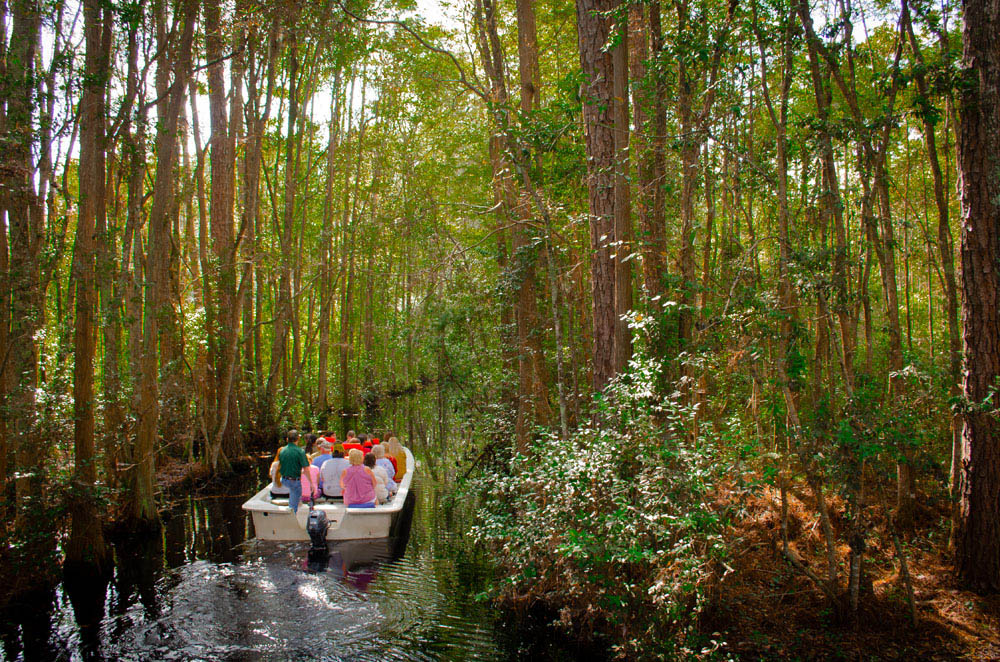
Paddling through the swamp lets you immerse yourself in the landscape while getting close-up views of wildlife and vegetation a perspective you simply can’t get from land. Popular options include:
- Guided boat tours with local experts who understand animal behavior and swamp history
- Canoeing or kayaking along designated paddling trails at your own pace
- Wildlife photography excursions
Boat tours are ideal if you want to see alligators up close, prefer a structured experience, or are visiting for a short time.
On Foot
The refuge offers boardwalks and hiking trails that bring you into cypress forests and open prairies, with access to observation platforms, scenic overlooks, and educational exhibits along the way. Hiking is ideal if you want a quiet, reflective experience, enjoy birdwatching, or want to explore at your own pace. Short walks are also great for families, casual visitors, and photographers looking for a different perspective on the landscape.
Combining both a morning paddle and an afternoon nature walk often creates the most rewarding and complete experience.
What to Pack for a Day Outdoors
Because most of the Okefenokee experience happens outside, it pays to come prepared. Consider bringing:
- Sunscreen and insect repellent
- Comfortable walking shoes
- Binoculars for wildlife viewing
- Reusable water bottles
- A camera or smartphone for photos
Being prepared lets you focus on the scenery and wildlife instead of unexpected discomfort.
Why Staying Nearby Changes the Experience
Many visitors underestimate this part. The swamp is not a quick roadside stop it’s a living environment that shifts throughout the day. Sunrise and sunset are when wildlife moves: fog rises over the blackwater, birds become vocal, and alligators shift position. If you’re staying 45 minutes away, you miss it.
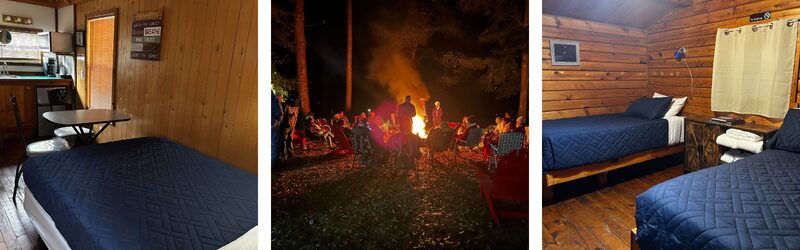
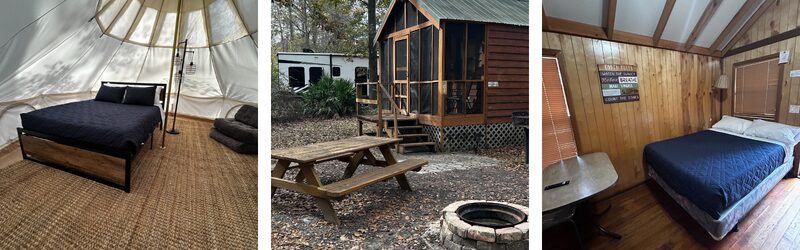
Staying close at Okefenokee Pastimes Cabins & Campground transforms your visit. Instead of rushing, you settle in. You can choose from RV sites, cabins, or unique glamping options, and after a day exploring the refuge, you return to comfort instead of a long drive.
This proximity matters most for:
- Families with kids
- Photographers chasing golden hour
- Couples seeking a quiet retreat
- RV travelers exploring South Georgia
Okefenokee Swamp camping at Okefenokee Pastimes gives you flexibility sleep in and head out mid-morning, or wake before dawn and be on the water when the mist lifts. That’s the difference between visiting the swamp and actually experiencing it.
Plan Your Visit
Before heading out:
- Review current conditions on the Okefenokee National Wildlife Refuge website.
- Follow their social media for seasonal updates and special events.
- Book your lodging in advance, especially during spring and fall.
The Okefenokee Swamp is one of the most unique ecosystems in North America, and it rewards those who slow down. If you’re wondering where to stay near the Okefenokee, the answer is simple: stay close at Okefenokee Pastimes. Experience the swamp at sunrise, hear it at night, and come back year after year to see how it changes.